
Comprehensive Guide to Eco Friendly Products: Sustainable Solutions for Ethical Consumerism

Eco products are goods intentionally designed to reduce environmental and social harm by using lower-impact materials, transparent supply chains, and end-of-life strategies that minimize waste. This guide explains what qualifies as an eco friendly product, how sustainable materials such as recycled ocean plastics and organic cotton are made and maintained, and why these choices matter for a circular economy and consumer behavior in 2024. Readers will learn clear evaluation checklists, certification verification methods, practical zero-waste beach essentials, and material-specific care practices that extend product life and reduce replacement frequency. The article maps lifecycle stages from raw waste collection to end-of-life outcomes and offers actionable maintenance steps for sustainable swimwear and accessories. Throughout, you’ll find comparison tables, concise lists for quick decisions, and a brief, factual brand example to illustrate how a company can integrate recycled materials and ethical production without overshadowing the broader educational content.
What Are Eco Products and Why Are They Important for Sustainability?
Eco products are items designed to lower environmental footprint by using sustainable materials, efficient manufacturing, and responsible end-of-life planning. They work by replacing high-impact inputs (like virgin synthetic fibers) with regenerated or renewable alternatives and by prioritizing durability to reduce consumption, producing measurable reductions in resource use and pollution. The value of eco products lies in their triple benefit: reduced greenhouse gas emissions, lower waste generation, and improved social outcomes when ethical labor practices are included. Defining an eco product typically requires assessing material origin, manufacturing transparency, and disposal pathways, so consumers can differentiate genuine sustainability from marketing claims. Understanding these criteria prepares readers to evaluate products using certifications and lifecycle thinking in the next sections.
How eco products support zero-waste choices relies on concrete design decisions such as reparability, reuse, and material choices that enable recycling or composting. These design mechanisms shift systems away from single-use models and toward closed-loop outcomes by keeping materials in circulation longer. The next subsection explores how specific product types deliver those impact reductions and what everyday consumer actions reinforce zero-waste goals.
How Do Eco Products Support Zero Waste and Environmental Impact Reduction?
Eco products support zero waste by prioritizing materials and designs that enable reuse, repair, and recycling rather than disposal, and by minimizing toxic inputs that hinder circularity. For example, reusable beach towels made from durable fibers or cover-ups from certified organic cotton reduce single-use textile demand and lower lifecycle emissions, while packaging-free or recyclable packaging reduces landfill pressure. Recent research indicates that designing for durability and easy repair can extend product lifetimes substantially, translating into fewer replacements and smaller material throughput over time. Consumers can reinforce these benefits by choosing products with clear end-of-life instructions, using repair services when possible, and favoring items with transparent recycling or take-back programs. These practical behaviors lead directly into assessing certifications that verify such claims.
To ensure that products truly align with these sustainability goals, understanding the role of certifications is crucial.
Sustainability in the Textile Industry: Standards and Certifications
Globally, the textile industry faces heightened scrutiny due to its substantial environmental footprint, encompassing water pollution, excessive waste generation, widespread use of hazardous chemicals, and elevated energy consumption during manufacturing. In recent years, sustainability has become paramount in the textile sector, driven by environmentally conscious consumers, ecological concerns, and evolving regulatory requirements. To facilitate this transition, numerous standards and certifications have been established by regulatory agencies and organizations worldwide. This chapter provides an in-depth examination of key global sustainability standards and the specific certifications aimed at promoting more responsible operations within the textile industry.
Regulatory Standards and Certifications for Sustainable Textiles, C Walter, 2025
What Certifications Define Genuine Sustainable Products?
Certifications such as GOTS (Global Organic Textile Standard), B Corp, and climate neutrality claims verify different aspects of sustainability: GOTS focuses on organic fiber and processing standards, B Corp assesses overall social and environmental performance, and climate neutrality covers measured emissions and offsets. Each certification covers distinct scopes—material sourcing, supply-chain labor conditions, or corporate-level impact—so cross-checking multiple labels is often necessary to build confidence in a product’s claims. Consumers can verify certifications by checking registries or certification numbers listed on product tags or brand disclosures and by reviewing audit summaries where available. Awareness of label limitations helps buyers avoid greenwashing; for example, a single-attribute claim (like “made with recycled content”) does not guarantee ethical labor or low carbon impact across the entire lifecycle, which is why holistic verification matters.
Which Sustainable Materials Are Commonly Used in Eco Products?
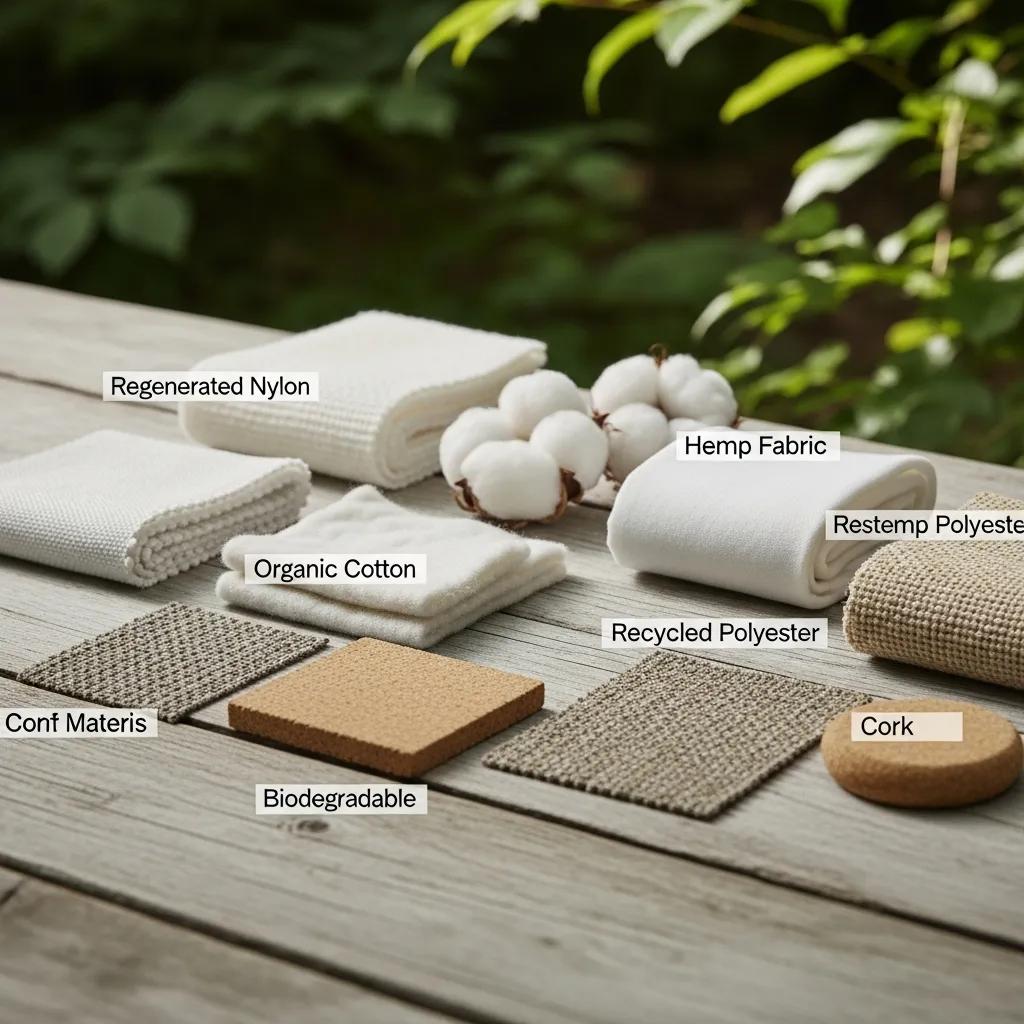
Sustainable materials commonly used in eco products include regenerated nylon from ocean plastics, branded recycled fibers like ECONYL and REPREVE, certified organic cotton, and emerging biodegradable alternatives that lower long-term pollution. These materials function by transforming waste streams or reducing input of harmful chemicals, which yields environmental benefits such as reduced landfill volume and lower reliance on virgin fossil-based feedstocks. Selecting among these materials requires understanding trade-offs in durability, UV protection, comfort, and maintenance—factors especially relevant for beachwear and accessories. The following table compares major materials, their common trade names, environmental benefits, and practical drawbacks or care notes to help readers evaluate options.
Introductory table: compare materials for beach-appropriate applications.
| Material | Common Trade Names / Sources | Environmental Benefit | Drawbacks / Care Notes |
|---|---|---|---|
| Regenerated nylon from ocean plastic | ECONYL, similar regenerated nylon | Diverts marine plastics, reduces virgin nylon demand | May shed microfibers; wash gently in cold water |
| Recycled PET (plastic bottles) | REPREVE, recycled polyester | Reduces PET waste, energy savings vs virgin PET | Can retain microplastics; avoid tumble drying |
| Organic cotton | GOTS-certified organic cotton | Lowers pesticide use, supports soil health | Less elastic than synthetics; avoid high-heat drying |
| Biodegradable blends | PLA, Tencel (partly biodegradable) | Compostable options for certain waste streams | Requires industrial composting; limited UV resistance |
This comparison clarifies how material choices influence environmental outcomes and product performance, and it helps consumers prioritize trade-offs when shopping for sustainable beachwear and accessories.
When discussing recycled ocean plastics and organic cotton specifically, it’s helpful to see real-world brand examples to understand sourcing and design choices. A factual, concise example appears below to illustrate how a beachwear label might prioritize these materials while preserving the broader educational focus.
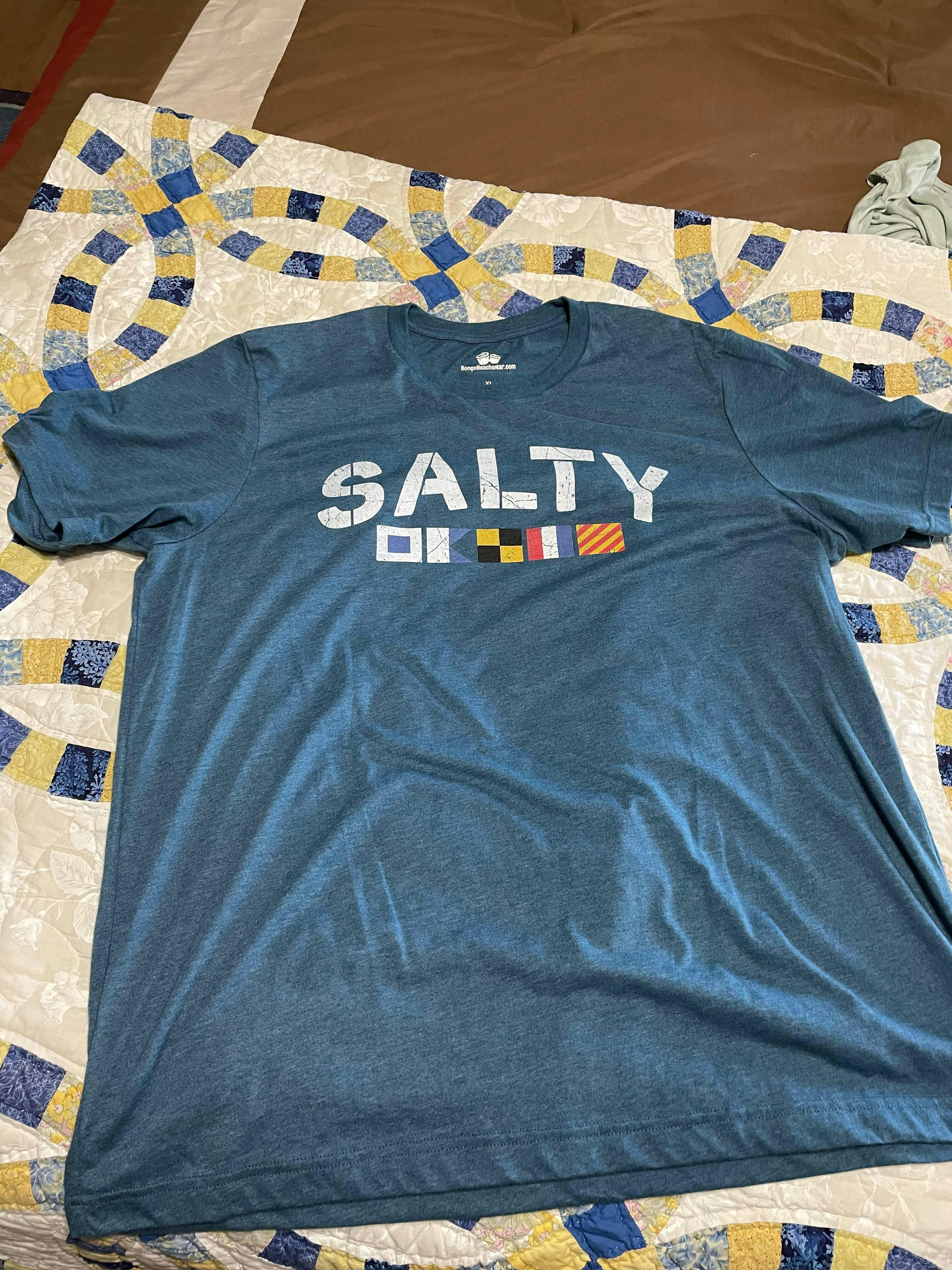
Bongo Beachwear is identified as a brand or product line specializing in eco-friendly beachwear. Its unique value propositions center on sustainability, potentially using recycled ocean plastics and organic cotton or other low-impact materials for swimwear and beach accessories. The brand appeals to environmentally conscious consumers seeking stylish and responsible beach attire.
What Are the Benefits of Recycled Materials Like Ocean Plastic?
Recycled ocean plastics are collected from coastal cleanups and waste streams, sorted, and processed into pellets that are then regenerated into nylon or polyester yarns suitable for textiles. This transformation reduces marine pollution and decreases demand for virgin petroleum-derived fibers, creating environmental benefits across sourcing and production stages. Regenerated fibers such as those derived from ocean plastics typically perform similarly to conventional synthetics in stretch, durability, and UV protection, making them suitable for swimwear that requires resilience and quick drying. Care for garments made from regenerated nylon generally means low-temperature washing, avoiding harsh detergents, and minimizing tumble drying, which helps reduce microfiber release and maintains fabric elasticity. Understanding this conversion process helps buyers appreciate the lifecycle benefits as well as maintenance responsibilities associated with recycled-material garments.
Why Choose Organic Clothing Made from Certified Organic Cotton?
Organic cotton is grown without synthetic pesticides or fertilizers, which preserves soil biodiversity and reduces chemical runoff into waterways, benefiting both ecosystems and farmworker health. Certified organic cotton—commonly verified through standards like GOTS—ensures not only organic farming practices but also controls processing steps such as dyeing and finishing to limit toxic inputs. For beachwear, organic cotton is ideal for cover-ups and casual resort wear that prioritize breathability and biodegradability; though it lacks the rapid-drying property of synthetics, organic cotton can be blended or designed for comfort. Consumers should verify certification claims on labels and care for organic cotton by washing in cold water, using gentle detergents, and air-drying to preserve fibers and reduce shrinkage. These choices align consumer values with measurable environmental improvements while offering practical garment benefits.
How Can Consumers Identify and Choose Ethical and Zero Waste Essentials?
Choosing ethical and zero-waste essentials requires a simple evaluation checklist focused on materials, certifications, manufacturing transparency, and end-of-life options. The checklist works because it translates broad sustainability goals into verifiable signals—material origin, third-party certification, clear care instructions, and take-back or recycling programs—that consumers can inspect before purchase. The table below summarizes common certifications and offers verification tips so shoppers can quickly assess authenticity.
Introductory table: help shoppers verify sustainability claims.
| Certification / Claim | What It Covers | How to Verify |
|---|---|---|
| GOTS (Global Organic Textile Standard) | Organic fiber and environmental standards across processing | Check GOTS certificate number on product or brand registry |
| B Corp | Company-level social and environmental performance | Verify on official B Corp directory or company disclosure |
| Climate Neutral | Measured emissions and offset strategy | Look for measurement reports or verification statements |
| Recycled Content Claim | Percent recycled material in product | Request or view supplier disclosures and testing data |
This certification checklist simplifies verification and reduces risk of misinterpreting single-attribute marketing language.
When applying this checklist in practice, consumers can follow a short step-by-step process to evaluate a product quickly and confidently.
- Inspect materials and labels to confirm recycled or organic content and check for certification numbers.
- Look for transparent manufacturing disclosures, including where items are made and any supplier audits.
- Verify end-of-life options such as take-back programs, recyclability, or composting instructions.
- Consider durability and repairability as part of overall eco credentials rather than relying solely on single claims.
Using these four steps helps shoppers prioritize meaningful sustainability attributes and avoid greenwashing; the next subsection lists practical zero-waste items to bring for beach and travel contexts.
What Are the Top Zero Waste Essentials for Everyday Use?
For beachgoers and travelers, prioritizing a compact set of zero-waste essentials reduces single-use plastic and supports sustainable routines. The following numbered list highlights practical items and how they reduce waste in coastal and travel settings.
- Reusable water bottle: eliminates disposable plastic bottles and keeps you hydrated.
- Compact quick-dry towel made from recycled fibers: reduces single-use paper towels and dries fast.
- Reef-safe, refillable sunscreen container: minimizes plastic packaging and protects marine life.
- Reusable snack bags or cloth pouches: replace single-use sandwich bags at the beach.
- Foldable reusable tote: avoids disposable bags for purchases and carries beach gear.
These essentials are easy to adopt and directly reduce the volume of single-use items on beaches, which ties into broader circular practices and consumer stewardship.
How Does Ethical Consumerism Influence Product Sourcing and Manufacturing?

Ethical consumerism influences sourcing by shifting demand toward suppliers who provide traceability, fair labor, and sustainable raw materials, which in turn prompts manufacturers to adopt audited practices and invest in cleaner processing technologies. Brands that respond to consumer pressure often implement supplier codes of conduct, third-party audits, and more transparent reporting to demonstrate compliance with fair labor and environmental standards. Signals to look for include published supplier lists, audit summaries, and certifications that cover both environmental and social dimensions; these indicators suggest a company is managing trade-offs across the supply chain rather than focusing on single-attribute marketing. As buyers favor brands with traceable, audited supply chains, the market gradually rewards practices that reduce exploitation and environmental harm, completing the feedback loop that drives broader industry change.
What Are the Latest Trends and Market Insights in Sustainable Products?
The sustainable products market continues to grow, driven by consumer demand for both performance and ethics, increasing availability of certified materials, and innovation in circular design. Market trends in 2024 show expanding adoption of recycled fibers, growth in take-back programs, and product designs that emphasize multifunctionality—three developments that increase product utility while lowering per-use environmental impact. These trends matter to consumers because they translate into more stylish options that also meet sustainability goals, making it easier to choose eco-friendly swimwear and accessories without sacrificing performance. The following subsection summarizes market growth and what it means for availability and innovation.
How Is the Eco-Friendly Products Market Growing Globally?
Recent market analyses indicate steady year-over-year growth in demand for eco-friendly products, with rising consumer willingness to pay premiums for verified sustainability and increased retail offerings across price points. Growth is strongest in regions with robust regulatory pressure and high consumer awareness, resulting in more product innovation and expanded choices in retail channels. For buyers, this trend means better access to verified eco products—from recycled plastic swimwear to certified organic cotton cover-ups—and more opportunities to evaluate options using the certifications and checklists discussed earlier. As availability increases, the next subsection explores the psychological and practical factors that drive this demand.
What Drives Consumer Demand for Sustainable and Stylish Eco Products?
Consumer demand is driven by a mix of environmental concern, health and safety considerations, and a desire for products that look and perform well—showing that aesthetics and sustainability are not mutually exclusive. Practical drivers include demonstrated durability, clear certification, and convenience (for example, products that are easy to care for and repair), which lower the perceived risk of choosing sustainable options. Social signaling and trend dynamics also contribute: consumers increasingly value brands that align with personal ethics and lifestyle choices, which in turn incentivizes companies to prioritize transparency and style alongside sustainability. Understanding these drivers helps brands design products that meet both functional and ethical expectations and helps consumers prioritize features that deliver the most meaningful impact.
How Do Eco Products Contribute to a Circular Economy and Environmental Responsibility?
Eco products contribute to a circular economy by closing material loops—collecting waste inputs, regenerating materials into new fibers, and designing products for reuse, repair, or recycling. The circular approach reduces virgin material extraction and waste while encouraging resource efficiency throughout product lifecycles. The table below maps lifecycle stages to entities and measurable environmental outcomes, making it easier to see where interventions create the greatest impact.
Introductory table: map lifecycle stages to outcomes and responsibilities.
| Lifecycle Stage | Entity (material/product) | Environmental Metric / Outcome |
|---|---|---|
| Collection | Raw plastic waste, textile offcuts | Kg of waste diverted from ocean/landfill |
| Processing | Regeneration into yarn (e.g., nylon) | Energy use per kg; reduction vs virgin production |
| Manufacturing | Garment production | Water use, chemical inputs, labor audits |
| Consumer use | Wear and care of products | Product lifetime, washes per year |
| End-of-life | Recycling, composting, take-back | Percentage reused or recycled; landfill diversion |
This lifecycle mapping shows where brands and consumers can intervene to improve environmental outcomes, which leads into typical lifecycle stages for recycled and renewable products.
What Is the Lifecycle of Products Made from Recycled and Renewable Resources?
The lifecycle begins with collection—removing plastics or diverting textile waste—followed by sorting and cleaning to prepare feedstock for regeneration. Processing converts feedstock into pellets or regenerated yarns, which are then spun, knitted, and finished into fabrics with performance finishes appropriate for beachwear, such as UV protection or chlorine resistance. Manufacturing integrates quality control and labor oversight to ensure ethical production, while retail and consumer use determine product longevity through care and repair. End-of-life strategies include take-back programs, mechanical or chemical recycling, or composting for certain biodegradable fibers; the success of these stages depends on infrastructure and design choices made at the product’s inception. Recognizing these stages highlights where responsibility lies and where improvements yield the largest environmental benefits.
How Do Brands Like Bongo Beachwear Promote Ethical Production and Community Impact?
Bongo Beachwear is identified as a brand or product line specializing in eco-friendly beachwear and serves as a practical example of brand-level initiatives that can align sustainability with style. Brands like this typically promote ethical production through sourcing recycled ocean plastics and certified organic cotton, implementing transparent supply chains, and engaging in community activities such as beach cleanups or educational partnerships. Measurable impact comes from reporting metrics like kilograms of plastic diverted, numbers of community events supported, or certification statuses that verify production practices. For consumers evaluating such brands, look for clear disclosures of material origin, evidence of supplier audits, and concrete impact statements that quantify environmental contributions rather than relying solely on general claims. beach wear accessories
How Should Consumers Care for and Maintain Sustainable Products to Maximize Longevity?
Proper care extends the useful life of sustainable products, reducing the need for replacements and lowering overall environmental burden. Care practices differ by material—recycled nylon benefits from cold-water washing and air drying, organic cotton requires gentle detergents and low-heat drying to avoid shrinkage, and biodegradable blends may need specific disposal routes—so understanding material-specific instructions protects both performance and the planet. The following list outlines core maintenance dos and don’ts that apply across many eco-friendly beachwear items and accessories.
- Do wash garments in cold water and use mild, phosphate-free detergents to avoid degrading fibers and minimize chemical runoff.
- Do air-dry swimwear and delicate items rather than using high heat that breaks down elastic fibers and accelerates wear.
- Don’t use bleach or fabric softeners that can damage recycled fibers and reduce recyclability.
- Don’t store damp items in sealed containers, which encourages mildew and shortens product life.
Adopting these habits reduces textile waste and supports zero-waste goals by keeping garments functional for longer periods. The next subsection provides targeted best practices for common materials.
What Are Best Practices for Caring for Organic Clothing and Recycled Material Products?
For organic cotton, machine wash on a gentle cycle with cold water, reshape and air-dry to minimize shrinkage, and mend minor tears promptly to avoid early replacement. For recycled nylon or polyester swimwear, rinse after salt or chlorine exposure, wash inside out in cold water, and avoid heat from dryers or irons to preserve elasticity and color. Small repairs—re-stitching seams, replacing hooks, or patching small holes—significantly extend garment life and should be attempted before discarding; many community repair cafes or tailors can assist. These care steps maintain functional performance and ensure that the embodied environmental benefits of sustainable materials are realized across the longest possible user lifetime.
How Does Proper Maintenance Support Zero Waste and Environmental Goals?
Proper maintenance reduces replacement frequency and lowers cumulative material throughput, meaning fewer garments are produced, transported, and discarded over time. Simple behaviors—like repairing instead of replacing, following care labels, and participating in resale or recycling programs—translate into measurable waste reduction when scaled across many consumers. For example, extending garment life by just one year can significantly decrease the per-year environmental impact associated with production and disposal. Encouraging these maintenance habits supports a cultural shift from disposable consumption to stewardship, reinforcing the circular economy principles discussed earlier and making sustainable products truly more sustainable in practice.



0 comments