
Eco-Friendly Plastic Alternatives Every Beach Lover Should Know
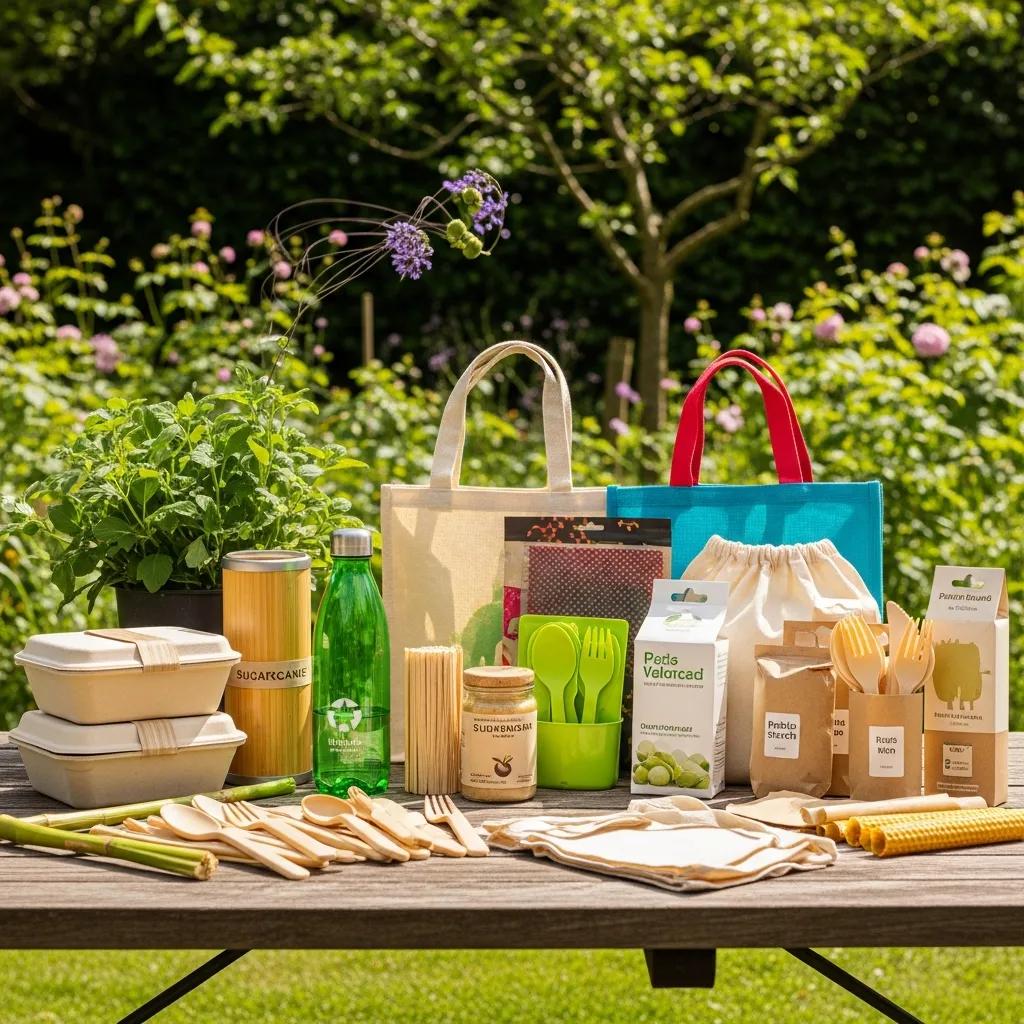
When we talk about eco-friendly Alternatives To Plastic, we mean materials and design choices that replace fossil-fuel plastics with options that break down sooner, cut greenhouse gas emissions, or simply last longer so they don’t end up on the shore. This guide walks through the most promising options—from PLA and PHA to cellulose, seaweed-based polymers, mycelium, and sturdy reusable choices—so beachgoers, families, and retailers can pick what actually protects coastlines and people. You’ll get clear explanations of how each material performs, where it’s best used, how to read certifications, and hands-on shopping tips for apparel and packaging. We also map industry use, current limits, and new innovations, plus checklists and quick tables to match performance, disposal routes, and certifications to real-world needs.
What Are the Most Effective Eco-Friendly Plastic Alternatives?
These alternatives swap traditional plastics by changing feedstock, chemistry, or end-of-life behavior to cut environmental harm. Some use renewable plants or microbial processes, others focus on reuse and durability to avoid single-use waste that litters beaches and turns into microplastics. The most useful options balance strength, the right kind of degradability, cost, and the disposal systems available where you live—whether that’s packaging, food service, or clothing. Below we compare common materials and show where each makes the most sense so you can choose one that meets both performance and disposal realities.
Here’s a quick comparison of top alternatives, their main feedstocks, and where they typically go at end-of-life.
Different materials differ by feedstock, how they break down, and typical use cases.
| Material | Primary Feedstock | Typical End-of-Life |
|---|---|---|
| PLA (polylactic acid) | Corn, sugarcane | Industrial composting; usually not suitable for home compost |
| PHA (polyhydroxyalkanoates) | Microbial fermentation (can use waste feedstock) | Biodegradable in a range of environments, including some marine settings |
| Cellulose-based polymers | Wood pulp, cotton linters | Often compostable and sometimes recyclable depending on additives |
| Seaweed-derived polymers | Seaweed biomass | Formulated for marine biodegradation or industrial composting |
| Mycelium materials | Agricultural waste grown with fungal mycelium | Compostable; commonly used for packaging and insulation |
| Reusable glass and aluminum | Mineral and metal feedstocks | Durable, reusable and highly recyclable with long service life |
Research on polyhydroxyalkanoates (PHAs) points to their promise as biodegradable, biocompatible alternatives to conventional plastics, including production methods, applications, and end-of-life approaches.
Polyhydroxyalkanoates (PHAs): Production, Applications, and End-of-Life Strategies
Polyhydroxyalkanoates (PHAs) are a group of polyesters made by microbes as energy stores. Because they’re biodegradable and generally biocompatible, PHAs are being studied as real alternatives to conventional plastics. This review looks at how PHAs are produced, where they’re used, and how they break down—highlighting life cycle assessment (LCA) as the tool that reveals their true environmental trade-offs from feedstock to disposal.
Poly (hydroxyalkanoates): production, applications and end-of-life strategies–life cycle assessment nexus, JK Muiruri, 2022
How Do Biodegradable Plastics Compare to Traditional Plastics?
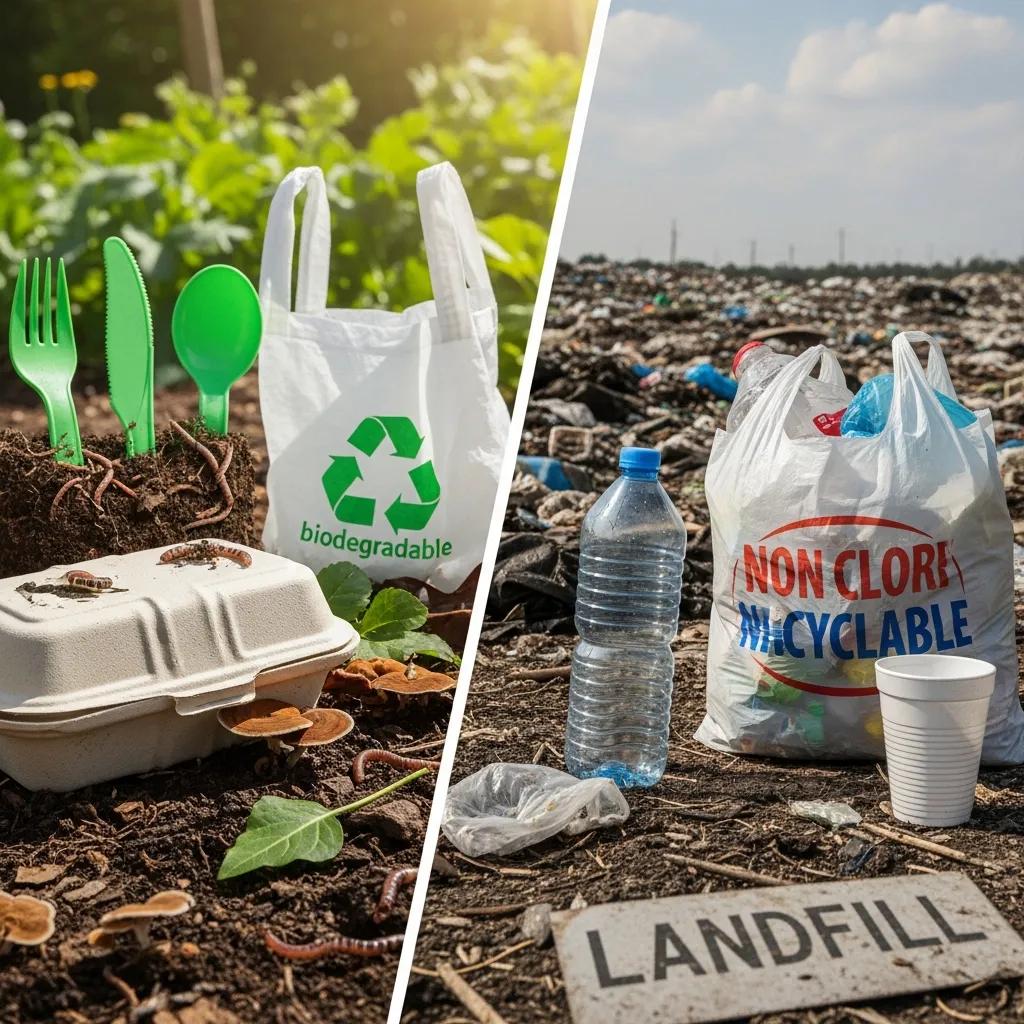
Biodegradable plastics are built to break down into biomass, water, and CO2 under the right conditions. Traditional plastics resist microbes and can hang around for decades. How fast a biodegradable polymer breaks down depends on its chemistry and the environment: some need industrial composters with high heat and microbes, while certain PHAs can degrade in soil or even in seawater. There are trade-offs—some biodegradable polymers have lower heat resistance or weaker mechanical strength than conventional plastics, which affects uses like hot-fill containers or long-lived products. Match product claims to local disposal options to avoid contaminating recycling streams or ending up with unmet expectations.
Next up: which plant-based and compostable choices matter for everyday shopping.
What Are Plant-Based and Compostable Alternatives To Plastic?
Plant-based polymers use biomass instead of fossil carbon—examples include PLA, starch blends, and cellulose derivatives. While they reduce fossil inputs, their end-of-life varies. Compostable plastics meet standards that define how they must break down; industrial standards like ASTM D6400 and EN 13432 set timeframes and residue limits, while true home-compostable materials are rarer and must be clearly labeled. Practical tips: check whether an item needs industrial composting, don’t toss non-compostables into compost bins, and choose reusables for beach gear when you can. Clear labels plus local waste infrastructure are what actually deliver environmental benefits.
Life cycle assessment (LCA) is a key method for comparing the overall environmental footprint of biopolymers like PLA and thermoplastic starch (TPS) across their whole lifecycle.
Biopolymer Life Cycle Assessment: Production and End-of-Life Comparisons
This paper uses life cycle assessment to compare different biopolymers—such as polylactic acid (PLA) and thermoplastic starch (TPS)—across production pathways and end-of-life scenarios like composting or landfilling. The results help clarify when a biopolymer truly offers a sustainability advantage and guide better material choices for real-world applications.
Biopolymer production and end of life comparisons using life cycle assessment, TA Hottle, 2017
Why Should You Choose Sustainable Alternatives To Plastic?
Choosing sustainable alternatives cuts how long materials hang around, reduces dependence on fossil feedstocks, and can lower greenhouse gas emissions over a product’s lifetime—when the item actually reaches the right disposal stream. Swapping single-use plastics for compostable options or durable reusables reduces the amount of waste that reaches our beaches and breaks down into microplastics, protecting coastal ecosystems and the food chain. Buying sustainable items also signals demand to manufacturers, encouraging investment in better materials and processing infrastructure. Below are the main reasons this shift matters for environment and health.
Sustainable alternatives bring clear advantages that matter in design and buying decisions.
- Reduced Persistence: Materials that biodegrade appropriately or are reused don’t accumulate on beaches and in the ocean over the long term.
- Lower Fossil Feedstock Use: Plant-based and waste-derived materials reduce demand for new petrochemicals.
- Improved Circularity: Options that fit composting, recycling, or reuse loops help build a circular economy.
How Do Eco-Friendly Alternatives Reduce Environmental Impact?
They cut pollution by shortening how long material sticks around and by shifting feedstock to renewable or waste-derived sources, which often lowers lifecycle greenhouse gas emissions. Mechanisms include biodegradation in managed systems, easier recycling, and extending product life through reuse—so each item needs fewer replacements. LCAs show that benefits depend on real-world factors like transport, processing, and local disposal: a compostable cup only helps if it reaches a composting facility. Keeping these realities in mind helps people and businesses choose options that actually improve outcomes.
What Are the Health and Safety Benefits of Using Alternatives?
Some eco-friendly alternatives reduce exposure to persistent additives and microplastics—especially important for food-contact uses and sensitive groups. Plant-based materials often avoid certain plasticizers and additives found in conventional plastics, and certified food-contact biopolymers undergo migration and safety testing. That said, not every “bioplastic” or “natural” claim equals safer chemistry—look for recognized standards and validated testing for food-contact items. Doing so helps buyers protect health as well as the environment.
Which Industries Are Leading the Shift to Eco-Friendly Plastics?
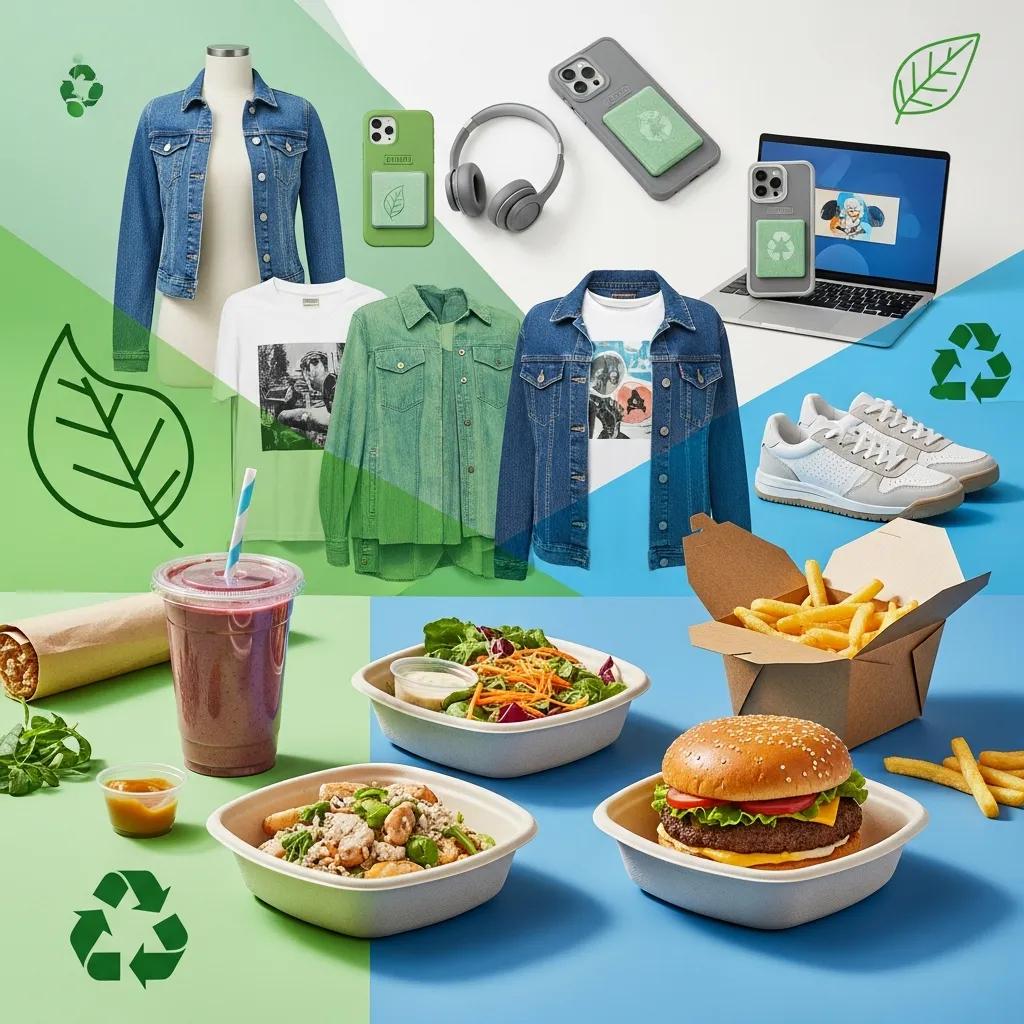
Several sectors are already redesigning products and packaging to cut plastic waste. Food service and packaging are front-runners with compostable disposables and fiber trays; consumer goods and fashion are testing recycled fibers, biobased trims, and mycelium-based leathers. Each industry balances cost, performance, and disposal systems: packaging often needs scalable, cost-effective compostable or recyclable solutions, while fashion prioritizes durability and transparency over a product’s lifetime. Mapping these use cases shows where materials add value and what infrastructure or policies would speed broader adoption.
| Industry | Common Alternatives | Benefits / Challenges |
|---|---|---|
| Food service & packaging | PLA cups, bagasse trays, compostable cutlery | Less landfill persistence but relies on access to industrial composting |
| Fashion & consumer goods | Recycled PET, natural fibers, mycelium leather | Lower fossil input and fresh textures; trade-offs between durability and biodegradability |
| Electronics & components | Bioplastic housings (limited) | Emerging use with performance constraints and complex recycling |
How Are Packaging and Food Service Using Plastic Alternatives?
Packaging and food service favor options that feel familiar while offering better end-of-life outcomes—PLA lids and containers, bagasse trays, and compostable films are common. Operational factors include heat performance, barrier needs, and whether local collection supports industrial composting rather than sending items to landfill or contaminating recycling. Simple front-of-house steps—separate bins and clear signage—make a big difference in getting compostable items to the right facility. Businesses must match material choices to actual waste-processing systems to deliver promised benefits.
What Role Do Consumer Goods and Fashion Play in Adoption?
Brands and retailers drive change by adding recycled content, biobased trims, and less-plastic packaging, and by designing products to be repairable and long-lived. Recycled polyester reduces virgin material use, and fibers like mycelium leather offer new textures and lower fossil inputs—though scaling them requires careful lifecycle checks. Honest communication about materials and end-of-life care helps customers use and dispose of products correctly. Clear labels and traceable supply chains build trust and speed adoption.
How Can You Identify and Choose the Right Eco-Friendly Plastic Alternative?
Pick materials that match how the product will be used and where it will go when you’re done with it—then check certifications and balance cost against longevity and disposal feasibility. Start by listing the product’s exposure conditions, required durability, and likely disposal path; then favor materials that align with those factors. The checklist below helps shoppers and small businesses choose options that actually reduce impact.
Use this decision checklist when buying or sourcing materials.
- Define use-case first: Match strength and temperature resistance to how the product will be used.
- Check disposal pathway: Confirm whether the item needs industrial composting, home composting, recycling, or reuse.
- Verify certifications: Look for recognized standards that back the claimed end-of-life behavior.
- Assess durability vs disposability: Choose reusables for frequent-use items and compostables for unavoidable single-use cases.
Using this checklist helps avoid picking items that seem sustainable on the label but fail in practice. Next: how to read certifications.
Before the table below, remember: verifying claims and avoiding greenwashing are essential parts of responsible shopping.
| Certification / Label | What It Verifies | Practical Meaning for Disposal |
|---|---|---|
| ASTM D6400 / ASTM D6868 | Industrial compostability in US standards | Needs industrial composting conditions; not home-compostable |
| EN 13432 | Industrial compostability in EU | Breaks down in industrial composting and leaves limited residues |
| OK Compost HOME | Home compostability | Tested to decompose in municipal/home compost conditions |
| BPI (Biodegradable Products Institute) | Certification for industrial compostability | Confirms independent testing and acceptance by some facilities |
What Certifications and Labels Indicate Genuine Sustainability?
Standards like ASTM D6400, EN 13432, OK Compost, and BPI tell you whether a material is industrially compostable or suitable for home composting and set consistent test conditions. They don’t automatically mean lower greenhouse gas emissions or ethical feedstock sourcing, so read labels alongside supplier transparency and LCAs when available. To avoid greenwashing, verify logos against registries and prefer documented claims over vague marketing. Clear certification reading helps ensure compostable items actually reach the correct processing stream instead of contaminating recycling.
Understanding certifications makes it easier to weigh cost and performance trade-offs covered next.
How Do Cost and Performance Compare Among Alternatives?
Prices and performance differ: some bioplastics cost more than commodity plastics because of feedstock and processing, while reusable glass or aluminum may cost more upfront but deliver far lower environmental impact per use. Durability usually improves lifecycle benefits—higher-cost, longer-lived items can be more sustainable than cheap single-use replacements. Shopping tips: buy in bulk, choose reusables for items you use often, and calculate cost per use when comparing durable versus disposable options. Align cost expectations with real performance and disposal realities for better outcomes.
Life cycle assessment (LCA) helps reveal the environmental impact of producing bioplastics like PLA and PHB from waste materials, offering useful insight into greenhouse gas emissions and circular-economy potential.
Life Cycle Assessment of PLA and PHB Bioplastics from Waste
This LCA study looks at producing PLA and PHB from lignocellulosic waste. It covers raw material sourcing, production, and end-of-life scenarios, showing where bioplastics can lower greenhouse gas emissions and support circular systems when managed correctly.
Life Cycle Assessment (LCA) of Bioplastics Production from Lignocellulosic Waste (Study Case: PLA and PHB), L Senila, 2024
What Are the Challenges and Future Trends in Eco-Friendly Plastic Alternatives?
Wider adoption faces technical, economic, and infrastructure hurdles: many areas lack industrial composting, labels are confusing, and feedstock scale-up can be tricky. Costs and supply-chain limits affect some bioplastics, while thermal and mechanical limits rule out others for demanding uses. Policy support, investment in processing, and advances in chemical and enzymatic recycling are key levers to overcome these barriers. Knowing the current limits helps you understand where to be cautious and where to be patient as new solutions mature.
What Are the Current Limitations of Bioplastics and Alternatives?
Major limits include infrastructure gaps—compostable items often end up in landfill without industrial composting—label confusion that contaminates recycling, and feedstock concerns where large-scale biomass growth could compete with food or biodiversity. Technical constraints like lower heat resistance and costs that are higher than conventional plastics also slow uptake. Ways to mitigate these issues include clearer labeling, local processing investment, material blends that broaden degradability, and sourcing feedstocks from waste rather than virgin crops. Each choice needs a case-by-case look to pick the most responsible material.
How Is Innovation Shaping the Future of Sustainable Plastics?
Innovation is moving toward new feedstocks (seaweed, ag residues), advanced biopolymers like next-gen PHAs from waste streams, and better end-of-life tech such as enzymatic and chemical recycling that recover monomers. Pilots show scalable production paths and improved marine biodegradation for select polymers, while policy and corporate buying power push infrastructure investment. Expect steady improvements over the next five to ten years as materials mature, certification systems expand, and circular systems scale—so material choice will increasingly depend on verified lifecycle outcomes, not marketing claims.
How Can You Support and Promote the Use of Eco-Friendly Plastics?
You can speed adoption by choosing reusables, sorting compostable items correctly, pushing for local processing, and backing policies that reduce high-risk single-use plastics. At retail, clear labeling, supplier checks, and compostable packaging pilots help validate claims and teach customers. Community actions—swaps, beach cleanups with education, and support for municipal compost—create momentum that nudges manufacturers toward better materials. Below are practical steps consumers and businesses can take to make a measurable difference.
- Host local swaps and repair events to extend product life and cut single-use demand.
- Support municipal composting and collection programs—petition, volunteer, or join pilot schemes.
- Run educational outreach at beaches and community centers to show how to sort compostable and recyclable items correctly.
What Are Effective Ways to Advocate for Sustainable Plastic Use?
Effective advocacy mixes action, education, and policy: run beach cleanups paired with clear signage about material types, lobby for municipal composting and straightforward local guidance, and back bans on the most harmful single-use items. Be specific in your messaging: explain where compostable items belong, show reusable alternatives, and give shopping tips tied to local infrastructure. Working with retailers and community groups amplifies impact and helps turn pilot programs into lasting services. Those tactics increase the chance that sustainable materials are processed correctly and actually deliver benefits.
E-commerce brands can play a big role in consumer education and better purchasing choices. Bongo Beachwear
Bongo Beachwear can show how a beach-focused retailer presents sustainable picks and runs education that links material choice to proper disposal and product care.
How Can Businesses Implement Eco-Friendly Plastic Alternatives Successfully?
Start with a product and packaging audit to find high-impact swaps, run small pilots to test performance and customer response, and vet suppliers for certifications and transparent LCAs. Adopt procurement rules that prefer verified compostable or recyclable materials where infrastructure exists, and build clear labeling and disposal guidance into product pages and packing inserts so customers know what to do. Track metrics like percent sustainable materials, diversion rates to composting or recycling, and customer feedback to refine sourcing. These steps help retailers cut impacts while keeping product quality and customer trust.
This implementation checklist supports a lifecycle approach—sourcing, labeling, and measuring—to scale sustainable options responsibly.
Frequently Asked Questions
What are the environmental benefits of using eco-friendly plastic alternatives?
Eco-friendly alternatives cut pollution and waste by breaking down more quickly in the right systems or by being reused instead of thrown away. They reduce plastics in landfills and oceans and can lower lifecycle greenhouse gas emissions when managed well. Many options fit composting and recycling systems, supporting a circular approach that reduces dependence on single-use plastics.
How can consumers ensure they are choosing genuinely sustainable products?
Look for recognized certifications like ASTM D6400, EN 13432, and BPI, and check a brand’s transparency on sourcing and production. Read labels carefully and confirm claims against independent registries to avoid greenwashing—documented evidence beats vague marketing every time.
What challenges do businesses face when adopting eco-friendly plastic alternatives?
Businesses contend with higher costs, limited material availability, and gaps in processing infrastructure such as industrial composting. Label confusion can lead to recycling contamination, and new materials may not yet match the performance of traditional plastics in all uses. Overcoming these hurdles takes testing, clear labeling, and investment in local clean seas.
How can individuals promote the use of sustainable plastics in their communities?
Organize beach cleanups, educational workshops, and swaps. Advocate for local composting programs and policies that reduce single-use plastics. Share reliable information on social media and encourage friends and family to choose sustainable options—small steps add up and increase demand for better materials.
What role does innovation play in the future of eco-friendly plastics?
Innovation is crucial: new feedstocks like seaweed and ag residues, advanced biopolymers, and improved recycling technologies (enzymatic and chemical) are expanding options and end-of-life solutions. As these technologies scale, sustainable plastics will become more practical and cost-competitive in many applications.
How can consumers effectively compare the cost and performance of different eco-friendly alternatives?
Compare durability, intended use, and disposal options—not just sticker price. Consider lifecycle cost (price per use), read reviews, verify certifications, and prioritize reusables for everyday items. Buying in bulk and choosing longer-lived items often save money and reduce environmental impact over time.
Conclusion
Switching to eco-friendly plastic alternatives can make a real difference for beaches and communities. By choosing materials that biodegrade responsibly or, better yet, can be reused, you help reduce single-use waste and support the market shift away from conventional plastics. Learn the options, check certifications, and match materials to local disposal systems—those small, informed choices add up. Explore our resources to find sustainable solutions that fit your life and protect the places we love.




0 comments