
Ocean Plastic Cleanup Apparel & Sustainable Beachwear: Championing the Clean Seas Mission
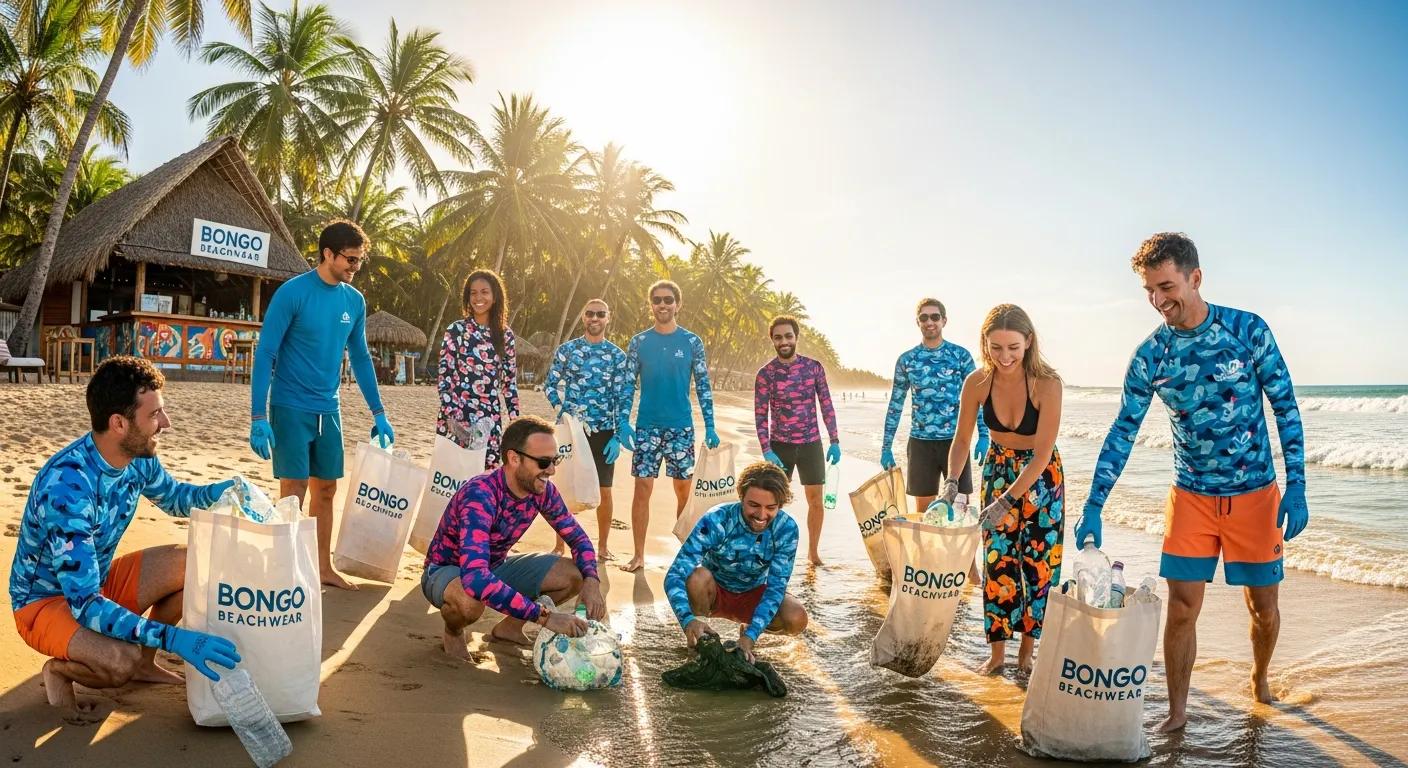
The Clean Seas initiative unites ocean plastic cleanup apparel with sustainable beachwear, transforming your purchases into tangible conservation action and a powerful sense of community identity. Discover how materials like recycled ocean plastic and organic cotton actively combat marine pollution, how your apparel choices fuel cleanup technologies and events, and how your style can amplify the call for marine ecosystem preservation. Facing mounting plastic debris, microplastics, and strained waste systems, coastal communities and beach lovers alike will find the Clean Seas approach a direct link between product lifecycle choices and effective prevention, interception, and removal strategies. This guide breaks down the core elements—from material sourcing and funding flows to technology support, community mobilization, product features, and impact reporting—offering clear pathways for your participation. Dive into definitions of the subcategory, comparisons of eco-friendly materials, insights into cleanup technologies like river interception and passive ocean systems, step-by-step involvement options, product-specific benefits, and transparent reporting practices informed by cutting-edge research on marine pollution solutions and recycled plastic beachwear.
What's the Deal with the Clean Seas Subcategory and Its Role in Ocean Conservation?
The Clean Seas subcategory is a purpose-driven segment of sustainable apparel, transforming coastal and surf-inspired clothing into a force for ocean protection. It achieves this by blending recycled materials, impactful conservation messaging, and direct funding for cleanup initiatives. The magic happens through sourcing circular materials, raising awareness via inspired designs, and channeling a portion of revenue or campaign proceeds toward technologies and events that slash plastic inputs and clear out debris. The result? Consumer purchases that deliver both killer style and verified environmental wins. Clean Seas acts as the crucial link between scientific cleanup efforts and your everyday choices, helping to scale up river interception systems, champion beach cleanups, and underwrite vital research into passive ocean cleanup devices. The following sections unpack how a brand initiative like this operates, the kinds of impact it tracks, and the communities most likely to embrace these products and their powerful message.
How Does Bongo Beachwear’s Clean Seas Society Champion Marine Conservation?
Bongo Beachwear's Clean Seas Society spearheads mission-driven apparel and outreach to champion marine conservation, leveraging product storytelling, partner funding, and community events as its core drivers. The initiative ignites awareness through captivating ocean-themed designs and directs commercial proceeds or campaign contributions to back cleanup projects, technology pilots, and educational programs focused on tackling marine pollution. Community building is paramount, with lifestyle messaging inviting ParrotHeads, Land Sharks, families, and beach enthusiasts to join local cleanups, advocacy efforts, and fundraising drives, forging peer networks that amplify conservation behaviors. You can track our progress and learn about supported projects on the brand’s impact pages and collection descriptions, which detail our activities and offer clear ways to get involved with the Clean Seas Society.
What Impact Does the Clean Seas Subcategory Have on Plastic Waste Reduction?
The impact of a Clean Seas subcategory is measured through key metrics like funds allocated to cleanup projects, pounds or kilograms of plastic removed, the number of events hosted, and miles of coastline cleaned; these figures translate commerce directly into tangible environmental outcomes. Brands typically showcase these achievements via periodic impact updates, contextualizing local actions against global marine plastic statistics, helping you grasp how individual purchases scale into collective victories. Transparent reporting practices—such as per-SKU impact notes, partner acknowledgments, and event summaries—build trust and make it simple for consumers to confirm that sales directly support concrete pollution reduction efforts. Regularly tracking these metrics also sharpens product design and campaign planning to maximize the environmental return on every collection.
Recycling Marine Litter and Ocean Plastics: A Sustainable Solution for Ecology and Health
Marine litter is a crucial health and environmental issue in the global sense for not only humankind but also for cetaceans, marine life, and other flying and land animals. It is known that marine litter has significant environmental, economic, health, and aesthetic effects. Marine litter is a permanent, manufactured, or processed solid material which is discarded, disposed, or abandoned from any source into marine and coastal environments. It can be composed of the wastes and particles of abandoned waste textile products, synthetic garments and their fragments, fishing nets, fishing lines, industrial product wastes and industrial plastic production wastes such as plastic bottles and plastic containers (mostly made from synthetic polymers), vehicle tire dusts, and breakdown of litter and cosmetic products. In most cases, plastics are one of the most important components of marine litter because of their very slow decay rates. It is stated that approximately 90% of the marine litter is composed of plastic material wastes and 5–13 million tonnes of plastic waste litter are released to the marine-related environment per year. The amount of plastic waste in the seas is likely to continue to increase, mainly due to the negative increase in plastic consumption (about 9% per annum) and the inadequacy of its reuse, recycling, and waste management practices. The entanglement and ingestion of marine litter directly damage wild animals and their environment. Accumulation of marine litter on the seabed, accumulation of trash, and seagrass deposits in coral reefs cause damage to the natural habitat and damage the ecosystem. Plastic entanglement and ingestion problems by the animals are the main issues with macroplastics. On the other hand, plastic ingestion and accumulation problems by the animals are the main issues with microplastics. Microplastics in marine litter
Recycling of marine litter and ocean plastics: A vital sustainable solution for increasing ecology and health problem, S Kumartasli, 2020
Who Are the Ideal Customers for Clean Seas Apparel and Gifts?
Our ideal customers for Clean Seas apparel include coastal dwellers, frequent beach visitors, community-focused lifestyle shoppers, and social groups like ParrotHeads and Land Sharks who connect with identity-driven merchandise and conservation causes. These customers resonate with messaging that highlights community belonging, local pride, or a touch of humor—think designs that celebrate a beloved shoreline or mark a cleanup milestone. Families and gift-givers also gravitate towards products that blend quality, eco-friendly materials, and a compelling story they can share with children to instill responsible coastal behavior. Effective merchandising speaks directly to these segments with lifestyle photography, local event tie-ins, and copy that balances fun coastal culture with the tangible benefits of supporting marine conservation initiatives.
How Does Ocean Plastic Cleanup Apparel Champion Marine Pollution Solutions?
Ocean plastic cleanup apparel champions marine pollution solutions through four key mechanisms: sourcing circular materials that curb new plastic inputs, channeling funds from sales into cleanup technologies and events, amplifying public awareness and advocacy through design and messaging, and extending product lifecycles to minimize waste. When these elements work in concert, they create a system where design choices and consumer behavior unite to prevent pollution, intercept debris before it harms marine habitats, and finance crucial removal efforts. The following sections explore the common sustainable materials used in this category, how sales translate into project funding, and which product types typically grace Clean Seas collections to maximize both impact and adoption.
What Sustainable Materials Power Clean Seas Apparel?

Our go-to sustainable materials for Clean Seas apparel include recycled ocean plastic transformed into recycled polyester fibers, organic cotton for a lighter agrochemical footprint, and post-consumer recycled polyester that bypasses virgin petrochemicals. Recycled ocean plastic actively reduces the volume of marine-derived waste in landfills and oceans by converting collected debris into resilient garments. Organic cotton minimizes chemical runoff and nurtures soil health, while recycled polyester from post-consumer sources preserves material value and cuts greenhouse gas emissions compared to virgin synthetics. Care instructions and durability considerations are built-in to extend product life, further diminishing the per-wear environmental footprint and helping you maximize both utility and conservation benefits. Understanding material trade-offs empowers informed choices that align with marine pollution reduction strategies.
Let's compare the core materials used in ocean cleanup apparel, their sourcing and processing attributes, and their relative impact on marine pollution reduction.
| Material | Sourcing & Processing | Pollution-Reduction Impact |
|---|---|---|
| Recycled ocean plastic (rPET from collected debris) | Collected waste is cleaned, sorted, and reprocessed into polyester fiber | Diverts plastic from waterways and gives debris a second life in durable apparel |
| Organic cotton | Grown without synthetic pesticides; includes improved soil management | Reduces agrochemical runoff that can harm coastal waters and supports sustainable land practices |
| Post-consumer recycled polyester | Recycled from post-use bottles and textiles via mechanical or chemical recycling | Lowers demand for virgin plastics and reduces overall material extraction |
Using Recycled Fibers in Sustainable Fashion and Home Products
As the textile, apparel, fashion, and retail industries move to become more sustainable, an area of interest is the use of recycled fiber, yarn, fabric, and product content in the development and production of new products. The decision to use recycled materials in products must occur during design and product development and continue throughout the manufacturing processes. There are several recognized stages in recycling collection, processing, and then use in a new product. Recycled materials used in textile and apparel products can be obtained throughout the textile and apparel supply chain and post-consumer collection methods. The use of recycled raw materials aligns with the larger movements of global industries toward a circular economy (vs. linear) and working to achieve a closed-loop production cycle. This chapter reviews the textile and apparel industry, factors that have influenced the generation and use of waste and recycling processes currently used today. Selected brands that have programs and products that contain recycled content are identified here.
The use of recycled fibers in fashion and home products, KK Leonas, 2016
How Do Product Sales Fuel Ocean Cleanup Projects?
Product sales fund cleanup projects through various models: a percentage-of-sale donation, fixed per-item contributions, matched funding campaigns, or proceeds from ticketed events where revenue is specifically earmarked for technology deployment and community programs. Key transparency features include clearly labeled donation models on product pages, regular impact reports, and partner confirmations that detail how revenue is allocated, helping you verify that your purchases translate directly into action. These funds can support river interceptors, beach cleanup logistics, research grants, and educational programs—each targeting different points along the marine pollution lifecycle. Clear reporting and traceable commitments build customer confidence and encourage repeat purchases, sustaining ongoing conservation investments.
Which Apparel and Gifts Shine in the Clean Seas Collection?
Clean Seas collections typically feature standout items like recycled plastic tees, essential eco-accessories such as reusable totes and hats, thoughtfully themed gifts, and membership merchandise designed to foster community identity and ongoing support. Product pages often spotlight material composition, care guidance, and the specific impact mechanism—like a per-item contribution—to forge a direct link between your purchase and cleanup outcomes. Design themes reinforce conservation messages, driving social sharing and advocacy. Merchandising strategies favor versatile basics that see frequent use, minimizing per-wear impact, alongside seasonal themed items that boost campaign visibility during key event windows. These product categories artfully bridge consumer lifestyle choices with measurable marine pollution solutions through both material selection and compelling narrative framing.
What Are the Primary Types and Effects of Marine Pollution Addressed by Clean Seas?
Clean Seas tackles several major forms of marine pollution—macroplastic debris, microplastics, chemical runoff, and habitat-degrading waste—each with distinct origins, ecological pathways, and mitigation strategies. The subcategory frames these pollution types as interconnected challenges: land-based waste and stormwater runoff feed coastal accumulation, fisheries and shipping contribute gear and debris, and microplastics emerge from both fragmentation and consumer sources. Addressing these issues demands prevention (slashing single-use plastics), interception (river interceptors and smarter municipal systems), and removal (beach cleanups and targeted recovery). The following sections define the pollution types, explain their ecological threats, and present current statistics to underscore the urgency and guide action.
What Are the Different Kinds of Ocean Pollution?
Ocean pollution manifests as visible macroplastics like bottles and nets, microscopic particles known as microplastics, chemical contaminants from runoff and spills, and disruptive noise or light pollution that throws marine life behavior out of sync. Macroplastics stem from improper waste disposal, fishing gear, and storm events, while microplastics originate from tire wear, synthetic textiles, and fragmented debris that persists and bioaccumulates throughout food webs. Chemical pollution encompasses agricultural runoff laden with nutrients and pesticides, alongside industrial discharges that cause localized toxicity and eutrophication, degrading vital habitats like coral reefs and seagrass beds. Recognizing these categories helps align apparel-driven prevention strategies with the most effective technological or policy interventions.
How Does Marine Pollution Threaten Marine Ecosystems and Wildlife?
Marine pollution inflicts severe harm on ecosystems through wildlife ingestion and entanglement, contamination of food chains, and degradation of critical habitats essential for biodiversity and fisheries; these pathways diminish resilience and compromise the ecosystem services we depend on. At the species level, effects include seabirds mistaking plastics for prey, turtles becoming ensnared in abandoned nets, and coral reefs suffering from sediment and chemical stress that hinders recovery. Long-term consequences involve reduced fisheries productivity, diminished tourism appeal for coastal communities, and heightened human health risks via microplastic and contaminant transfer in seafood. Tackling these mechanisms requires coordinated interventions that blend on-the-ground removal with upstream prevention and improved waste management.
Cleaner Seas: Strategies to Reduce Marine Pollution
In the age of the Anthropocene, the ocean has typically been viewed as a sink for pollution. Pollution is varied, ranging from human-made plastics and pharmaceutical compounds, to human-altered abiotic factors, such as sediment and nutrient runoff. As global population, wealth and resource consumption continue to grow, so too does the amount of potential pollution produced. This presents us with a grand challenge which requires interdisciplinary knowledge to solve. There is sufficient data on the human health, social, economic, and environmental risks of marine pollution, resulting in increased awareness and motivation to address this global challenge, however a significant lag exists when implementing strategies to address this issue. This review draws upon the expertise of 17 experts from the fields of social sciences, marine science, visual arts, and Traditional and First Nations Knowledge Holders to present two futures; the Business-As-Usual, based on current trends and observations of growing marine pollution, and a More Sustainable Future, which imagines what our ocean could look like if we implemented current knowledge and technologies. We identify priority actions that governments, industry and consumers can implement at pollution sources, vectors and sinks, over the next decade to reduce marine pollution and steer us towards the More Sustainable Future.
Cleaner seas: reducing marine pollution, KA Willis, 2022
What Are the Latest Global Statistics on Ocean Plastic Pollution?
Recent analyses estimate tens to hundreds of millions of metric tons of plastic reside in marine environments globally, with billions of pounds entering oceans annually; river systems are significant contributors of land-based inputs, and microplastics are now found ubiquitously in surface waters and sediments. These statistics highlight that while removal efforts are scaling up, prevention and interception remain absolutely critical to curb ongoing inputs and long-term accumulation in marine ecosystems. Presenting these data alongside local impact reporting helps you understand how targeted campaigns and apparel-backed funding contribute to measurable reductions. Visualizing this scale with clear metrics amplifies the sense of urgency and guides purchasing behavior toward products that champion systemic solutions.
Which Ocean Cleanup Technologies and Waste Reduction Strategies Does Clean Seas Champion?
Clean Seas champions a blend of technologies and strategies designed to prevent new pollution, intercept debris before it reaches the ocean, and remove existing waste from coastal and nearshore environments. This includes river interception systems that capture land-based plastics, passive ocean collection devices that concentrate surface debris, organized beach cleanups for shoreline removal, and systemic waste-reduction approaches like circular design and take-back programs. Aligning product campaigns with these technologies ensures that consumer funding targets both upstream prevention and downstream remediation, yielding a balanced portfolio of interventions. The following sections detail how river interceptors function, the spectrum of innovative cleanup technologies, and consumer-facing waste reduction strategies that apparel can actively promote.
How Do River Interception Systems Help Curb Marine Plastic?
River interception systems capture plastics in waterways before they embark on their journey to the ocean, employing booms, conveyors, or passive channels to concentrate and extract floating debris—effectively addressing a primary transport pathway for land-based pollution. These systems are often strategically deployed in high-contributing rivers where targeted interventions can prevent vast volumes of plastic from entering coastal zones. Their effectiveness is amplified when paired with local collection and recycling infrastructure. Supporting river interception complements apparel-funded initiatives by converting financial contributions into tangible interception deployments and by reducing the downstream burden on beach cleanup efforts. Measuring interception outcomes in terms of mass and frequency helps quantify the prevention benefits funded by conservation apparel campaigns.
What Innovative Ocean Cleanup Technologies Are We Promoting?
Innovative cleanup technologies span a wide range, from passive collection systems that harness prevailing currents to concentrate debris, to active removal vessels targeting dense accumulation zones, and research-driven tools for tracing and modeling plastic pathways; each approach offers distinct advantages and faces unique limitations. Passive systems are energy-efficient and ideal for long-term deployment in specific gyres or coastal convergence zones, while active systems provide targeted recovery for dense debris hotspots but require ongoing operational resources. Funding from apparel collections can support pilot projects, R&D for novel material recovery techniques, and trials that clarify where each technology delivers the highest environmental return. Coordinating technology support with prevention strategies ensures more sustainable, scalable outcomes.
What Waste Reduction Strategies Align Perfectly with Clean Seas Apparel?
Waste reduction strategies that harmonize with Clean Seas apparel include embracing circular design principles, implementing product take-back or repair programs, minimizing single-use packaging, and launching consumer education campaigns that champion reusable alternatives. Apparel brands can champion packaging reductions, integrate recycled materials, and offer end-of-life take-back options to close material loops and reduce the likelihood of garments entering waste streams that contribute to microplastics. Messaging on product pages and through community events can gently guide consumers toward responsible laundering, repairing, and reusing to limit microfiber release and extend garment life. These strategies pair prevention with practical consumer behaviors to tackle both immediate and chronic sources of marine pollution.
How Can You Get Involved with the Clean Seas Society and Marine Conservation?
You can engage with the Clean Seas Society through four clear pathways: buy-to-donate or purchase-to-impact, volunteer at beach cleanups and events, participate in advocacy and social sharing campaigns, and adopt everyday habits that shrink your plastic footprint. Each pathway offers distinct benefits—funding operations, adding hands-on removal capacity, expanding public awareness, and decreasing daily contributions to marine pollution—and together they amplify community-level impact. The following sections detail event involvement options, everyday behavioral changes, and how apparel can serve as a powerful advocacy tool, connecting you directly to ongoing conservation activities.
Clean Seas makes it simple to take four immediate actions:
- Buy-to-Impact: Grab items from The Clean Seas Society | Ocean Cleanup Project collection to power funded cleanups and technology pilots.
- Join Events: Sign up for local or partner beach cleanup events and lend your volunteer hours to removal efforts.
- Advocate and Share: Use your apparel as a conversation starter, post designs and event experiences to spread the word.
- Adopt Everyday Habits: Cut down on single-use plastics, embrace reusable alternatives, and champion sustainable waste management in your community.
What Beach Cleanup Events Does Bongo Beachwear Organize or Support?
Bongo Beachwear actively supports and promotes beach cleanup events, ranging from intimate local volunteer gatherings to larger partner-led drives. We often coordinate product campaigns to align with flagship cleanups and awareness weeks. Event types include community shoreline pickups, vibrant coastal festivals featuring conservation booths, and collaborative projects with local NGOs that provide essential logistical support and detailed reporting of collected materials. Participation typically involves a straightforward registration process, guidance on necessary gear, and post-event impact summaries that quantify collected debris and highlight volunteer contributions to recovery metrics. By seamlessly integrating product campaigns with event calendars, we strengthen community engagement and provide tangible touchpoints for you to witness how your purchases translate into real-world local action.
What Everyday Actions Help Protect Ocean Health?
Everyday actions that safeguard ocean health include drastically reducing single-use plastics, embracing reusable drinkware and bags, choosing products with minimal or compostable packaging, and selecting sustainable seafood options that support responsible fisheries. Simple behaviors like proper waste disposal, actively participating in local recycling programs, and consciously avoiding plastic litter during coastal visits substantially cut down inputs into rivers and coastlines. Your apparel choices amplify these habits when brands highlight circular materials, provide clear care instructions to minimize microfiber shedding, and encourage you to repair rather than replace garments. Collectively, these daily habits address the upstream sources of marine pollution that cleanup technologies must contend with.
How Can Customers Advocate for Marine Conservation Through Apparel?
Apparel serves as a powerful, visible advocacy tool through conservation-focused designs, special fundraising editions, and social campaigns that inspire wearers to spark conversations and share impact stories across social media. Practical tactics include coordinated hashtag campaigns, limited-edition drops tied to specific fundraising goals, and event-driven merchandise that links purchases to particular cleanup projects or technology pilots. Effective advocacy messages are concise, emotionally resonant, and paired with clear calls to action that invite others to attend events or support policy changes for improved waste management. By merging meaningful designs with transparent impact communication, apparel wearers become influential ambassadors who spread awareness and mobilize broader community support.
What Are the Unique Features and Benefits of Marine Conservation Clothing in the Clean Seas Collection?
Marine conservation clothing within the Clean Seas collection boasts durable materials sourced from recycled ocean plastic or organic fibers, captivating thematic designs that communicate vital conservation messages, and lifecycle-focused packaging engineered to minimize single-use waste. These features deliver tangible consumer benefits such as a reduced environmental footprint per wear, alignment with conservation-minded identities, and the practical advantage of long-lasting basics perfectly suited for frequent coastal use. The following sections explain how recycled ocean plastic is transformed into fabric, explore common design themes that foster engagement, and detail the emotional and practical benefits you receive when choosing eco-friendly marine apparel.
How Does Recycled Ocean Plastic Elevate Apparel Sustainability?
Recycled ocean plastic significantly enhances apparel sustainability by turning collected marine debris into fibers. This reduces the amount of waste in waterways while supplying material for durable garments.
The conversion process includes careful collection, cleaning, shredding, and reprocessing of the plastic into pellets, which are then spun into recycled polyester yarn. This creates a circular value chain that recovers material value from debris that would otherwise end up in landfills or break down into microplastics.
Environmental trade-offs—such as energy use and the potential release of microfibres during washing—are addressed through durable product design, clear care instructions, and advanced technologies that reduce fibre shedding. By choosing garments made from recycled plastic, customers actively support a circular materials solution that combines waste reduction with functional, stylish apparel.
Here's a look at representative product types in a Clean Seas collection, their primary materials, and the linked impact metric typically shared with customers.
| Product | Material | Impact Metric |
|---|---|---|
| Recycled ocean plastic t-shirt | Recycled ocean plastic (rPET) | Tracked cleanup credit linked to collection partners |
| Organic cotton hoodie | Organic cotton | Reduced chemical runoff profile noted in product details |
| Eco-accessory tote | Post-consumer recycled polyester | Donation-per-item supporting interception or beach cleanup programs |
What Themed Designs Inspire Ocean Protection Messages?
Ocean-protection themed designs often feature local beaches, iconic marine life, colorful reef motifs, or simple educational slogans that make environmental messages feel friendly and highly shareable. Concepts that spotlight species conservation (sea turtles, shorebirds), local pride (beach names), or direct calls to action (reduce, intercept, restore) tend to connect most deeply, because they combine emotion with a clear sense of responsibility.
From a merchandising perspective, pairing each design with a concise impact blurb and practical suggested actions on the product page can turn a simple purchase into meaningful participation. Thoughtfully curated design stories also encourage social sharing and invite customers to see themselves as part of a community dedicated to ocean protection.
How Do Customers Benefit from Choosing Eco-Friendly Marine Apparel?
Customers reap both practical and emotional rewards from eco-friendly marine apparel: practical gains include durable, comfortable garments with clear care guidance that extend their usable life, while emotional returns stem from aligning with conservation values, belonging to community identities, and experiencing the satisfaction of contributing to measurable projects. These benefits are amplified when brands offer transparent impact reporting, opportunities to attend events, and channels for user-generated content that validate the purchase’s contribution. Social proof, such as user photos and event recaps, enhances perceived value and encourages repeat engagement, completing a virtuous cycle where purchases fund more conservation action and deepen customer loyalty.
How Does Bongo Beachwear Measure and Share the Impact of the Clean Seas Subcategory?
Bongo Beachwear measures and shares Clean Seas impact by defining clear metrics—funds allocated, mass of plastic collected, events hosted, and partnerships engaged—and presenting them through periodic reports, product-level disclosures, and visual summaries. Impact measurement combines partner reporting from NGOs and technology providers with internal tracking of campaign proceeds and event tallies, creating a comprehensive picture for you to evaluate. The following sections outline recommended reporting practices, methods to link purchases directly to outcomes, and where you can find testimonials and success stories that vividly illustrate program results.
What Are the Latest Impact Reports and Conservation Partnerships?
Impact reports typically summarize our collaborations with NGOs, tech providers, and community organizations, detailing the scope of funded projects and high-level outcomes like cleanup events hosted or pilot technologies supported. Effective reports include partner credentials, descriptions of funded activities, and an accessible presentation of metrics that matter to consumers—such as items collected, communities reached, and pilot deployments enabled. Brands should date reports and provide a clear cadence (quarterly or annual) to maintain transparency and continuous engagement. Showcasing partnerships prominently enhances credibility and demonstrates how apparel-funded activity integrates seamlessly with established conservation efforts.
Here's a summary of example initiative types, the metrics used to evaluate them, and the typical result format a brand might share with customers.
| Initiative Type | Metric | Result Format |
|---|---|---|
| River interception funding | Mass of plastic intercepted (kg) | Periodic updates with partner verification |
| Beach cleanup events | Volunteers & debris collected (items/kg) | Event recaps and photo stories |
| R&D and tech pilots | Pilot deployments & performance | Case summaries with deployment outcomes |
How Are Customer Purchases Linked to Ocean Cleanup Results?
Customer purchases are linked to cleanup results using per-SKU impact notes, donation tracking, and partner acknowledgments that map sale events to funded activities; some models also provide purchase receipts that cite the specific campaign supported. Our approaches include transparent labeling on product pages detailing the donation model, periodic impact dashboards that aggregate contributions, and post-campaign summaries showing how funds were disbursed to partners or technology deployments. Verification practices such as partner confirmations, third-party audits, or photographic documentation bolster accountability and allow you to trace how your support translated into tangible action. Clear, repeatable linking methods strengthen the commerce-to-conservation relationship and boost customer trust.
Where Can Customers Discover Testimonials and Success Stories?
Testimonials and success stories are best showcased across multiple customer-facing channels: dedicated impact pages that synthesize results, product pages featuring concise user quotes, and social channels highlighting volunteer photos and event highlights. Short, easily digestible success stories that pair a concrete metric (items collected, volunteers engaged) with a compelling visual or quote create powerful proof points that reinforce the brand’s claims. Soliciting customer-generated content—photos from cleanup events, personal impact statements, or before-and-after images—both evidences outcomes and cultivates a strong sense of community belonging. Publishing these narratives regularly maintains momentum and demonstrates our unwavering commitment to measurable marine protection.
Frequently Asked Questions
What are the benefits of using recycled materials in Clean Seas apparel?
Recycled materials in Clean Seas apparel, like recycled ocean plastic and organic cotton, significantly slash environmental impact. By diverting waste from landfills and oceans, these materials help minimize pollution and conserve precious resources. Plus, using recycled fibers reduces the demand for virgin materials, which often require intensive energy and water during production. This sustainable approach not only champions marine conservation but also fuels a circular economy, where materials are continuously reused and repurposed, ultimately leading to a healthier planet.
How can consumers verify the impact of their purchases?
Consumers can verify the impact of their purchases through the transparent reporting practices brands employ. This includes detailed impact reports outlining funds allocated to cleanup projects, the sheer volume of plastic removed, and the number of events hosted. Many brands also offer per-SKU impact notes on product pages, allowing you to see precisely how your specific purchase contributes to marine conservation efforts. By tracking these metrics, you can feel confident that your purchases are making a tangible difference in reducing ocean pollution.
What role do community events play in the Clean Seas initiative?
Community events are absolutely vital to the Clean Seas initiative, fostering local engagement and hands-on participation in marine conservation. These events, such as beach cleanups and educational workshops, not only raise critical awareness about ocean pollution but also mobilize community members to take meaningful action. By participating, individuals directly contribute to cleanup efforts, learn about sustainable practices, and connect with like-minded individuals. These gatherings build a powerful sense of community and shared responsibility for protecting our marine ecosystems.
How does the Clean Seas Society engage with local communities?
The Clean Seas Society actively engages local communities through a variety of outreach programs, strategic partnerships, and impactful events. By collaborating with local organizations, we organize beach cleanups, educational workshops, and advocacy campaigns that align with community values. This engagement empowers residents to take ownership of their coastal environments and fosters a strong culture of conservation. The Society also regularly shares success stories and impact metrics to highlight the positive outcomes of community involvement, reinforcing the vital importance of collective action in protecting marine ecosystems.
What are some everyday actions individuals can take to support ocean health?
Individuals can champion ocean health through simple, everyday actions, such as drastically reducing single-use plastics, consistently using reusable bags and containers, and diligently disposing of waste properly. Choosing sustainable seafood and actively participating in local recycling programs also significantly contribute to reducing marine pollution. Moreover, consumers can advocate for enhanced waste management practices in their communities and lend their support to brands that prioritize sustainability. By embracing these habits, individuals can substantially shrink their plastic footprint and help safeguard marine ecosystems from pollution.

How can apparel serve as a tool for advocacy in marine conservation?
Apparel can function as a potent advocacy tool for marine conservation by featuring designs that powerfully promote awareness and spark essential conversations about ocean health. Brands often craft limited-edition items tied to specific campaigns or events, encouraging wearers to share their support across social media. By donning these garments, individuals can initiate discussions about marine pollution and conservation efforts, effectively becoming ambassadors for the cause. This visibility not only elevates awareness but also mobilizes others to take action, amplifying the impact of conservation initiatives.
Conclusion
Championing ocean conservation through Clean Seas apparel not only aids in reducing plastic pollution but also cultivates vibrant community engagement and heightened awareness. By selecting sustainable clothing crafted from recycled materials, you directly contribute to cleanup efforts and champion a healthier marine ecosystem. Every purchase amplifies the impact of conservation initiatives, making a tangible difference in the critical fight against marine pollution. Join us in this vital mission by exploring our collection and becoming an integral part of the solution today.


0 comments